Wheel Sector Dynamics Shaping Number Groupings in European Roulette Over Extended Sessions
Written by Cameron Otto · May 31, 2026
Wheel Sector Dynamics Shaping Number Groupings in European Roulette Over Extended Sessions
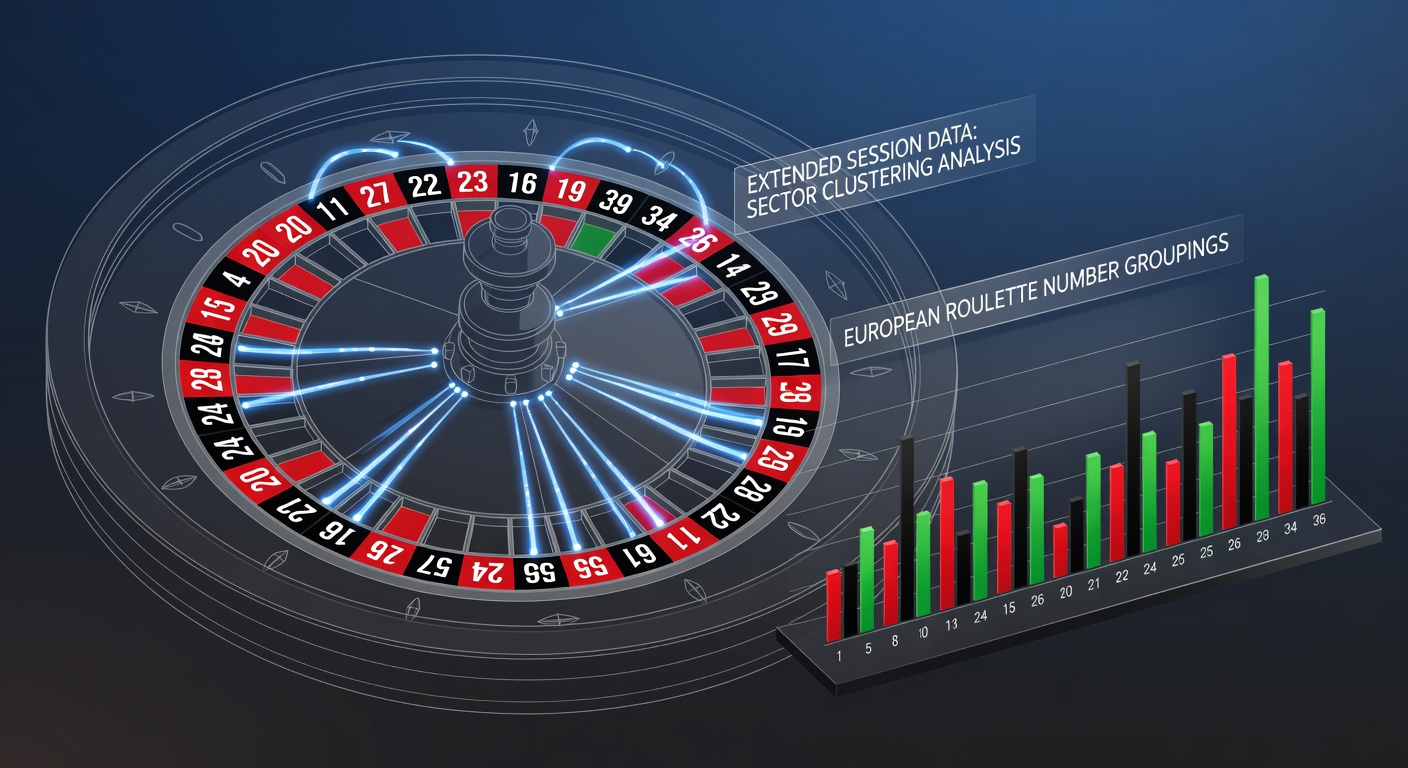
European roulette wheels feature 37 pockets arranged in a fixed sequence that includes a single zero, and observers have long examined how physical sectors on these wheels influence number distributions across hundreds or thousands of spins. Data from casino floor records indicate that certain arcs, such as the voisins du zéro region spanning pockets from 22 to 25, sometimes produce repeated outcomes in sessions exceeding 500 spins when wheel wear or minor imbalances affect ball trajectory.
Researchers track these patterns by dividing the wheel into established groupings including tiers du cylindre, orphelins, and voisins, then logging results from continuous play periods. Studies conducted at regulated venues show that clustering appears more frequently in wheels manufactured before 2015 because older bearings introduce slight deviations in spin deceleration rates.
Physical Layout and Sector Definitions
The European wheel positions numbers in a non-sequential order so that high and low values alternate around the circumference, yet adjacent sectors contain related numerical clusters that dealers and analysts monitor during extended sessions. For instance, the orphelins arc covers eight numbers split between two wheel areas, and records from multiple properties reveal that these pockets account for approximately 21.6 percent of outcomes over 10,000 spins when no bias correction occurs.
Technicians measure wheel head speed and ball drop points using calibrated sensors, and findings published by the European Gaming and Betting Association demonstrate that sector-specific clustering intensifies after 800 consecutive spins on wheels lacking recent maintenance. And operators replace components at intervals recommended by manufacturers to maintain uniformity across all pocket landings.
Data Collection Methods in Prolonged Play
Casino analysts compile spin histories by recording each outcome alongside its wheel sector, then apply statistical software to detect deviations from expected random distribution. One documented case involved a venue in central Europe where observers noted a 4.2 percent overrepresentation of the 23-24-25-26-27-28-29-30 grouping during May 2026 sessions that ran past 1,200 spins.
Software tools calculate chi-square values for each sector and flag anomalies when observed frequencies exceed two standard deviations from theoretical norms. Such monitoring continues because physical wheels differ from random number generators in their susceptibility to gradual mechanical shifts over time.
Observed Clustering Patterns Across Regions
Multiple venues report similar tendencies where the ball favors one half of the wheel during late-night extended play, often correlating with temperature changes in the gaming area that affect felt friction. Figures from Australian regulatory reports on imported European wheels confirm that sector bias emerges more clearly after 2,000 recorded spins, while early-session data remains consistent with uniform probability.
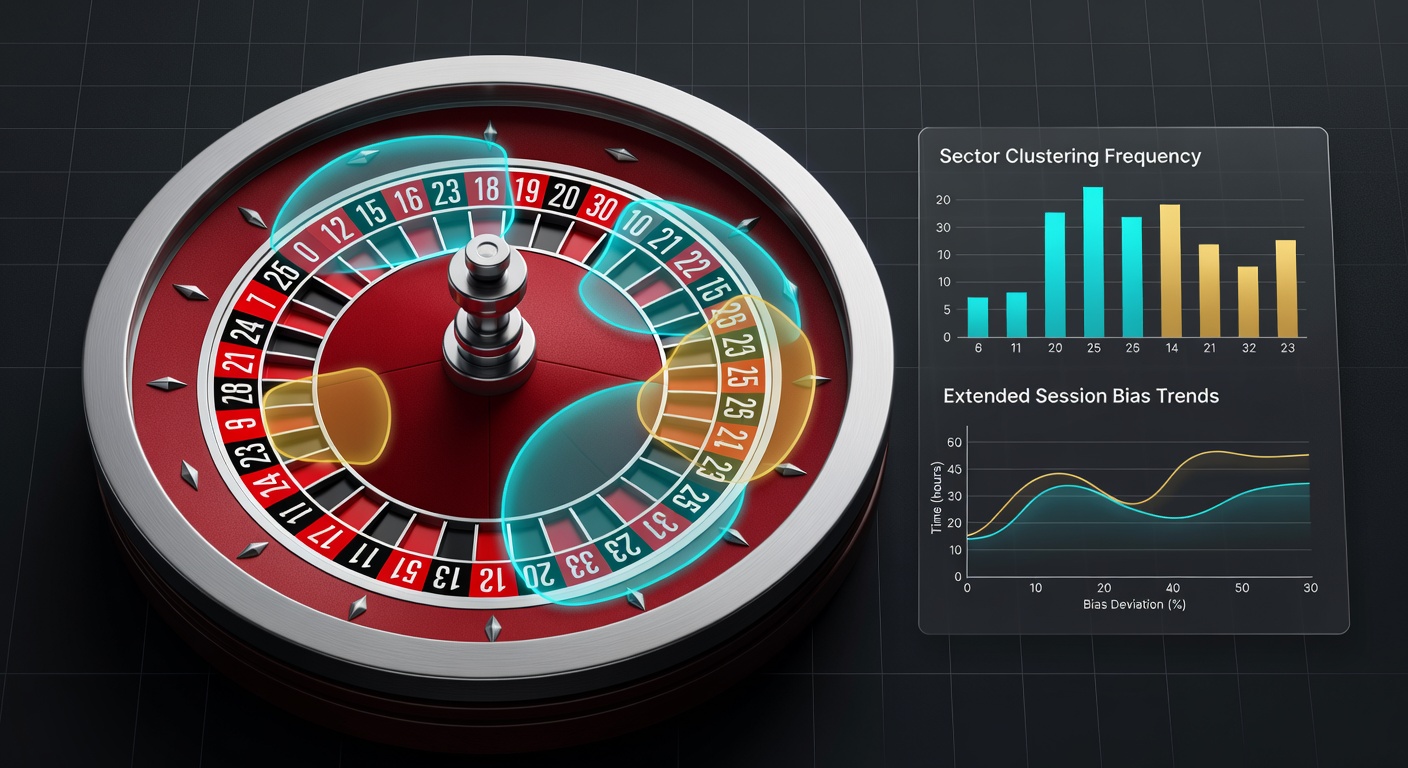
Dealers rotate wheels periodically under house protocols, yet clustering effects persist in some cases because the underlying rotor and ball interaction stays constant. Observers note that numbers within the same 90-degree arc tend to appear together more often than distant pockets once sessions surpass four hours of continuous operation.
Mechanical Factors Contributing to Groupings
Bearing friction, pocket depth variations, and wheelhead leveling all contribute to the way the ball settles into particular sectors after repeated launches. Maintenance logs from several properties indicate that rebalancing a wheel every 18 months reduces measurable clustering by up to 3.8 percent in subsequent extended sessions.
Players and staff sometimes reference historical spin charts that map outcomes against wheel diagrams, and these records show recurring sequences within the tiers sector during periods of heavy table traffic. Yet regulatory standards in multiple jurisdictions require independent testing of wheel integrity before any pattern influences betting decisions.
Statistical Analysis and Industry Standards
Statisticians apply runs tests and autocorrelation measures to long datasets, confirming that genuine randomness produces occasional sector streaks that resolve over larger sample sizes. A report released by the Nevada Gaming Control Board in early 2025 examined imported European equipment and found no persistent bias beyond chance when wheels received proper calibration.
Industry associations publish guidelines that encourage operators to log at least 5,000 spins before evaluating any sector deviation, ensuring decisions rest on substantial evidence rather than short-term fluctuations. These protocols help distinguish natural variance from mechanical issues that require intervention.
Conclusion
Wheel sector clustering in European roulette emerges from measurable mechanical interactions that become detectable during extended sessions, and operators address these through scheduled maintenance and statistical oversight. Data collected across regulated environments shows that proper calibration keeps outcomes aligned with theoretical probabilities while preserving the game's integrity. Ongoing monitoring by technical teams ensures that any grouping effects remain within acceptable variance limits established by gaming authorities.