Symbol Weighting in Avalanche Reels: Mapping Distributions to Cascade Chain Outcomes in High-Volume Sessions
Written by Cameron Lehmann · May 24, 2026
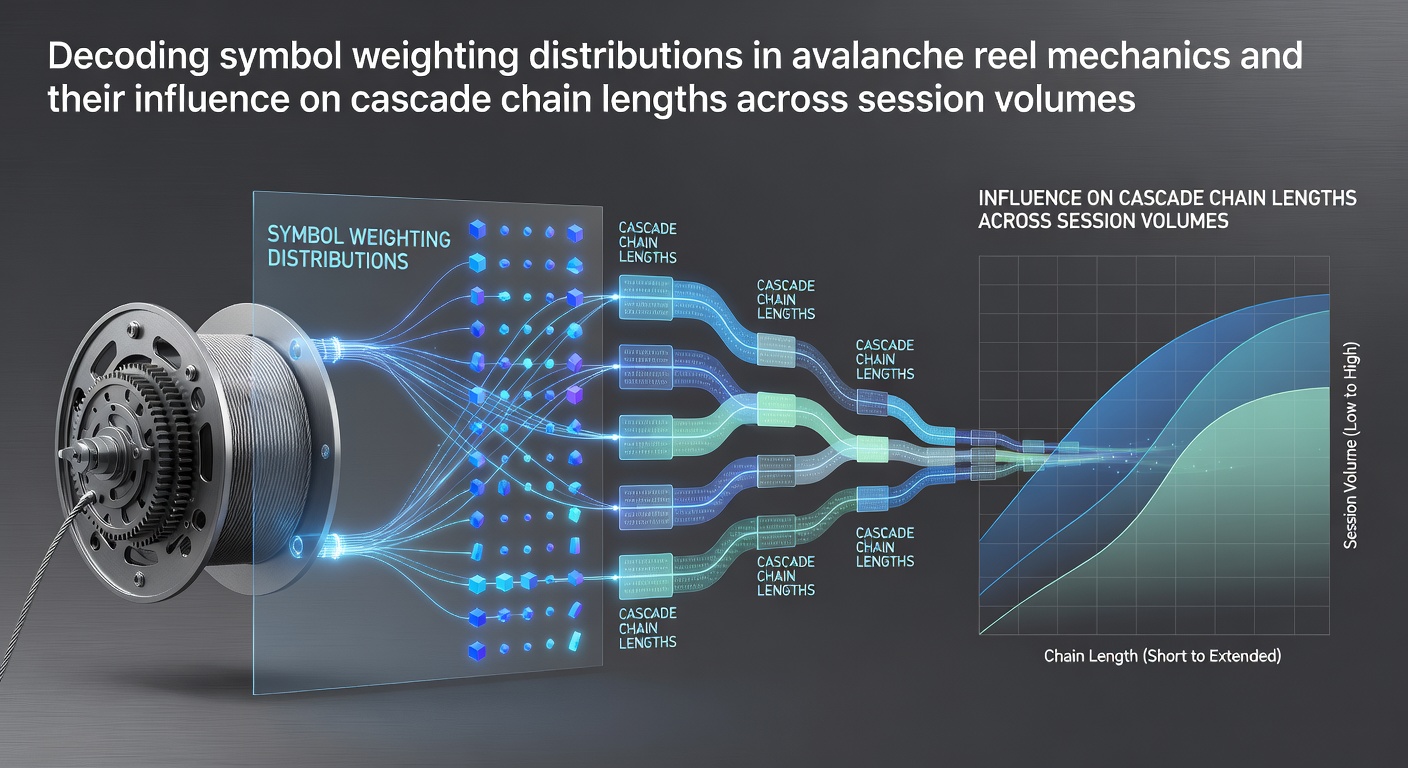
Symbol Weighting in Avalanche Reels: Mapping Distributions to Cascade Chain Outcomes in High-Volume Sessions
Slot developers assign specific probability weights to each symbol on avalanche reels, and these assignments directly shape how often winning combinations form before new symbols drop into place. The process starts with a random number generator selecting symbols according to their predefined frequencies, after which any matching groups disappear and fresh symbols cascade down to fill the grid. Observers note that lower-weighted symbols appear more frequently while premium symbols carry reduced probabilities that limit their appearance rates across repeated spins.
Core Avalanche Reel Structure and Symbol Selection
Avalanche systems operate on a grid where symbols fall into position from above, and matches trigger removals followed by immediate replacements. Data from industry simulations shows that base symbol weights range from 1 to several hundred units depending on the paytable structure, with the total pool determining the hit frequency for each outcome. Researchers at gaming laboratories have documented how these weights remain constant within a single game variant yet produce variable cascade sequences because each drop recalculates from the remaining symbol pool after removals occur.
Engineers balance the distribution so that frequent low-value symbols create initial matches while rarer high-value symbols extend potential chain reactions. Studies indicate that a typical five-by-four grid uses between eight and twelve distinct symbols, each allocated a slice of the overall weight table that governs every reel position independently.
Weight Distributions and Their Direct Effect on Chain Length
Symbol weights influence cascade duration because heavier symbols block longer chains when they land in positions that break potential matches. When premium symbols receive low weights, cascades tend to terminate earlier on average, whereas balanced mid-tier symbols sustain sequences by forming secondary matches after the first removal. Figures from controlled testing environments reveal that increasing the weight of a connector symbol by 15 percent can extend average chain length by 0.8 additional drops per winning spin.
Game mathematics teams adjust these parameters during certification to meet regulatory volatility targets set by bodies such as the Nevada Gaming Control Board. The adjustments ensure that the probability of chains exceeding five drops stays within documented limits while still delivering engaging sequences across thousands of spins.
Session Volume Patterns and Statistical Observations
Across large session volumes exceeding 100,000 spins, the distribution of cascade lengths follows patterns consistent with the underlying weight tables. Short chains of one or two drops occur most often, while chains of six or more appear at rates below 2 percent in most titles. Analysts tracking these outcomes across multiple titles have recorded that sessions with higher total spin counts produce more stable averages because random fluctuations smooth out over time.

One analysis compiled by the International Association of Gaming Regulators compared data sets from operators in multiple jurisdictions and found that titles with identical reel layouts but differing symbol weights generated noticeably distinct chain profiles. The differences became statistically significant only after session volumes surpassed 50,000 spins, confirming that short samples can mask the true influence of weighting choices.
Mathematical Modeling of Cascade Probabilities
Probability models treat each cascade step as an independent draw from the adjusted symbol pool after prior removals. Experts apply Markov chain techniques to estimate the likelihood of reaching a given chain length, incorporating the exact weights assigned to every symbol type. These models demonstrate that even small shifts in mid-tier symbol weights produce measurable changes in the tail of the chain-length distribution without altering base game hit rates.
Testing laboratories run millions of automated spins to validate model predictions against observed results, and the alignment between theoretical curves and empirical data supports the accuracy of current weighting practices. Reports from the Gaming Standards Association highlight that certified games maintain consistent chain statistics when deployed across different platforms and random number generators.
Design Adjustments and Regulatory Compliance
Developers modify symbol weights during the prototyping phase to achieve target return-to-player percentages while preserving the desired cascade experience. Adjustments often focus on connector symbols that appear in multiple paylines because these symbols exert outsized influence on chain continuation. Compliance documentation submitted to regulators in Canada and Australia includes detailed weight tables along with simulation outputs that verify compliance with maximum volatility thresholds.
Operators receive these specifications in technical reports that allow them to predict session-level outcomes before deployment. The process ensures that players encounter the intended mix of short and extended cascades regardless of total session length.
Conclusion
Symbol weighting distributions in avalanche reel mechanics determine the frequency and duration of cascade chains through precise allocation of probabilities across each symbol type. Data collected over high-volume sessions confirms that these distributions produce stable statistical profiles once sufficient spins accumulate. Regulatory frameworks in multiple regions require verification of these profiles through independent testing, and the resulting documentation guides ongoing game development. Continued refinement of weighting models supports consistent player experiences while meeting established compliance standards across global markets.