Reel Position Probabilities: Strategic Symbol Targeting in Five-Reel Slot Configurations
Written by Cameron Otto · Jun 23, 2026
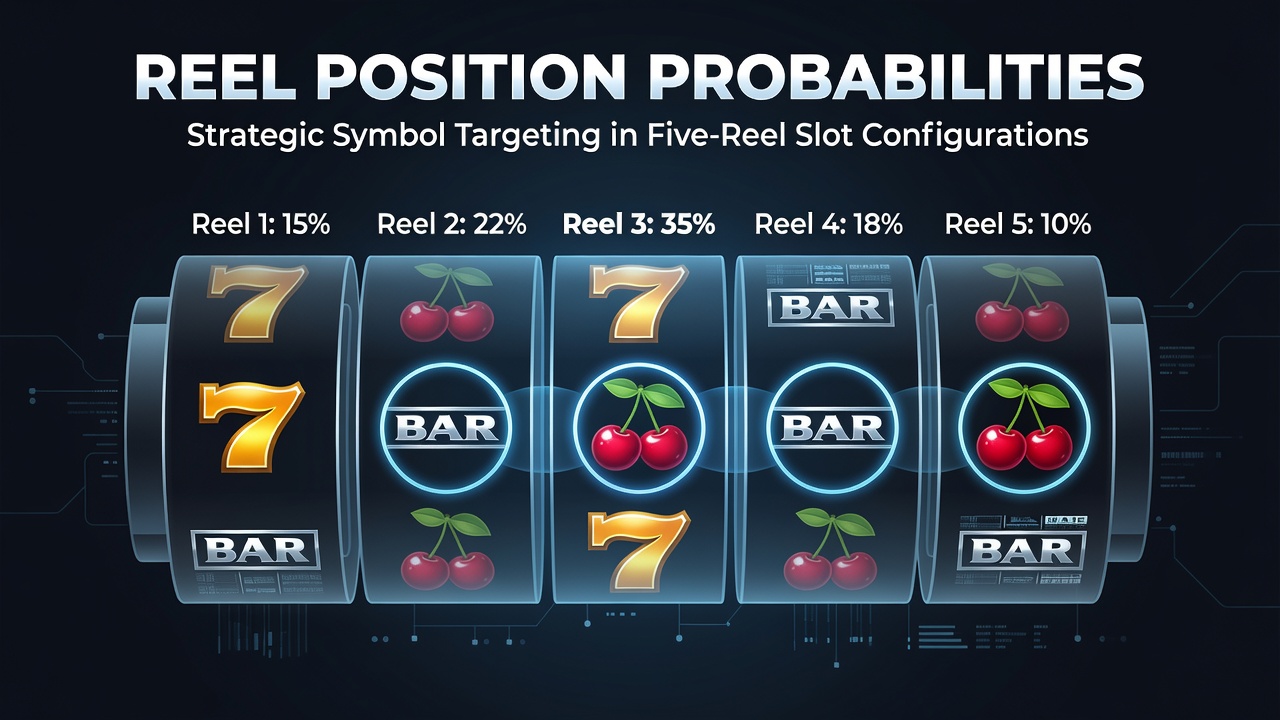
Reel Position Probabilities: Strategic Symbol Targeting in Five-Reel Slot Configurations
Five-reel slot configurations rely on randomized outcomes generated through algorithms that assign symbols to specific reel positions, and these mechanics determine the likelihood of forming winning combinations across designated paylines. Observers note that each reel operates independently with its own virtual strip containing a fixed set of symbols, while the actual mapping often differs from what appears on screen due to weighted distributions in the software.
Research from gaming laboratories indicates that modern slots use pseudo-random number generators to select stopping positions on each reel thousands of times per second, and this process ensures that every spin remains independent of previous results. Data shows typical reel strips contain between 30 and 100 symbols per reel depending on the game model, yet the displayed symbols represent only a fraction of the full cycle because of virtual reel mapping techniques.
Core Mechanics of Reel Position Selection
Each reel position corresponds to a stopping point selected by the random number generator, and strategic symbol targeting involves understanding how these positions align to trigger payouts on active paylines. Five-reel setups commonly feature three visible rows per reel, creating a 3x5 grid, while paylines can number anywhere from 10 to several hundred depending on the configuration chosen by the operator.
Analysts have documented that the probability of landing a specific symbol on a given reel equals the number of times that symbol appears on the strip divided by the total symbols on that reel, and this calculation becomes more complex when multiple reels must align simultaneously for a payout. For instance, a game with a high-paying symbol appearing twice on reel one, once on reel two, and three times on reel three produces a combined hit frequency that accounts for all possible combinations across those positions.
Calculating Position-Based Probabilities
Probabilities multiply across reels when symbols must land in sequence, and this multiplication yields the overall chance of a particular outcome. Take a configuration where a wild symbol appears on 8 positions out of 60 on the first reel, 5 out of 50 on the second, and 12 out of 70 on the third; the resulting probability equals 8/60 multiplied by 5/50 multiplied by 12/70, producing a figure that reflects the combined reel position constraints.
Industry reports highlight that scatter symbols often bypass standard payline alignment because they trigger features when they appear anywhere on the reels, which alters the targeting strategy compared to line-based symbols. Five-reel games frequently incorporate bonus rounds activated by specific position combinations, and these mechanics introduce additional layers of probability that extend beyond base game calculations.
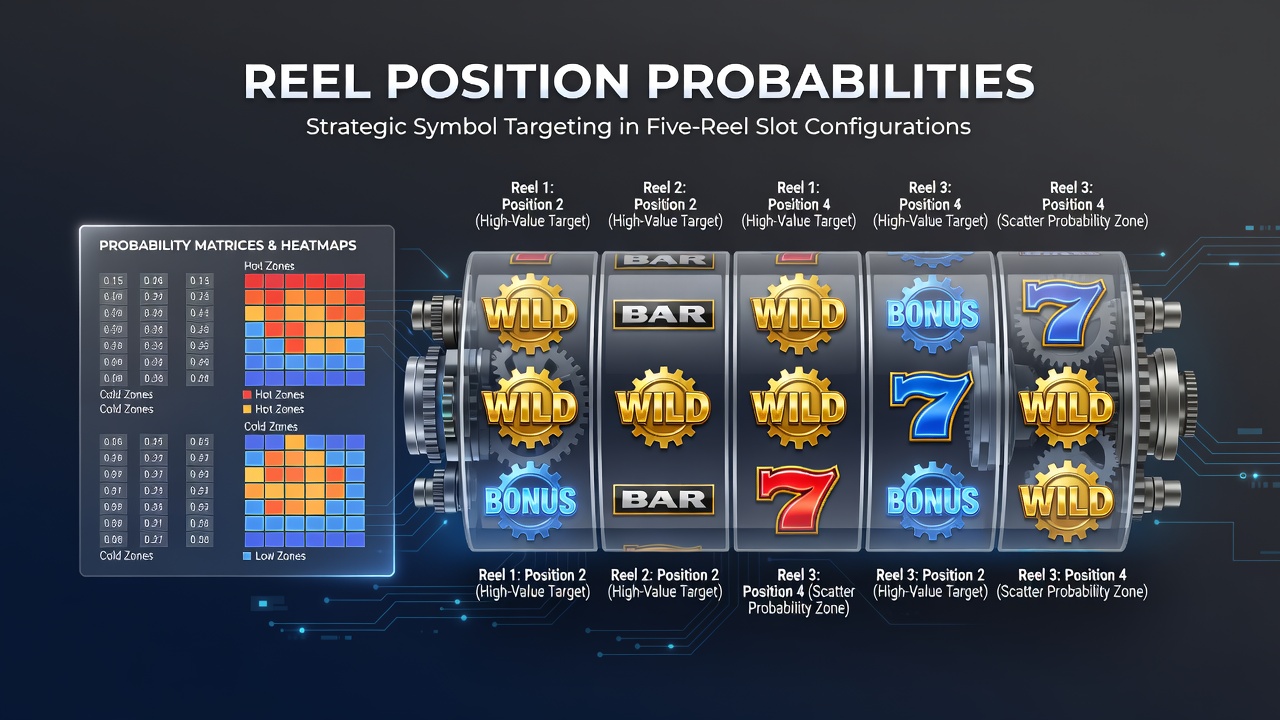
Symbol Weighting and Virtual Reel Mapping
Virtual reel mapping assigns different probabilities to symbols by expanding the underlying reel length beyond the visible positions, and this technique allows designers to control hit rates without changing the physical appearance of the game. A symbol might occupy one visible spot yet map to multiple virtual positions, increasing its effective frequency while maintaining the illusion of equal distribution.
Studies conducted by independent testing agencies reveal that such mapping influences the return-to-player percentages across entire game libraries, with five-reel configurations often balancing frequent low-value wins against rarer high-value combinations. Observers note that position targeting becomes relevant when players examine paytables to identify which reels carry higher concentrations of valuable symbols, allowing informed selection among available games.
Payline Structures and Position Alignment
Paylines traverse the 3x5 grid in fixed or variable patterns, and each pattern requires symbols to land in precise positions across consecutive reels. Fixed paylines activate all available lines on every spin, whereas selectable lines permit players to adjust the number of active positions, which directly affects the total stake and the probability coverage per spin.
Evidence from regulatory compliance documents shows that certified games undergo verification to confirm that position probabilities match advertised payout rates, and this process involves millions of simulated spins to validate statistical outcomes. Five-reel slots released after mid-2025 continue to incorporate these verification standards across multiple jurisdictions, ensuring consistent performance metrics.
Strategic Considerations for Symbol Placement
Players examining game information screens can review reel strip data when provided, and this information reveals the exact counts of each symbol per reel. Such details support calculations of expected frequencies for targeted combinations, although the random selection process prevents any guarantee of results on individual spins.
One documented case involved a five-reel title where bonus symbols clustered on the outer reels, producing higher activation rates for feature rounds compared to games with even distribution. Researchers tracking aggregated data across thousands of sessions found that position clustering influences session length and feature frequency without altering the underlying house edge.
Regulatory Standards and Testing Protocols
Certification bodies such as those operating under the Gaming Laboratories International framework conduct position probability audits before approving titles for deployment, and these audits confirm that random number generators produce unbiased distributions across all reel positions. Additional oversight comes from organizations like the American Gaming Association, which compiles industry-wide statistics on slot performance and compliance trends.
Testing protocols require that every possible outcome maintains equal probability within the cycle length, and deviations in symbol weighting must remain within documented parameters. Five-reel configurations undergo the same scrutiny as other formats, with particular attention paid to how virtual mapping affects perceived versus actual probabilities.
Conclusion
Reel position probabilities in five-reel slot configurations emerge from the interplay of random number generation, symbol distribution on virtual strips, and payline alignment rules. Understanding these elements provides factual context for how outcomes are determined, and available data from testing agencies supports transparent evaluation of game mechanics across different titles and jurisdictions. Continued advancements in verification methods maintain consistency in how these probabilities are calculated and presented to operators and players alike.