Reel Alignment Patterns Shape Multiplier Thresholds in Casino Loyalty Programs
Written by Taylor Lehmann · Jul 28, 2026
Reel Alignment Patterns Shape Multiplier Thresholds in Casino Loyalty Programs
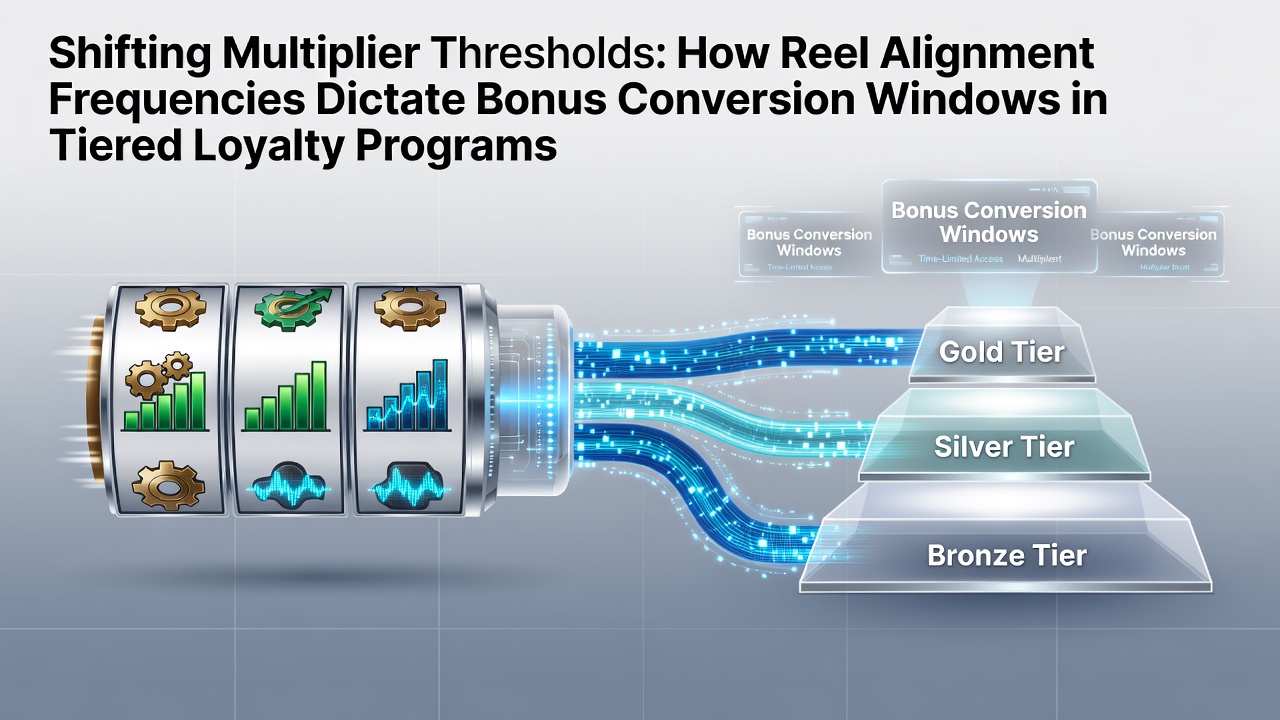
Slot reel alignments occur at specific frequencies that operators track through backend systems, and those frequencies directly influence how multiplier thresholds adjust within tiered loyalty structures. Data from multiple casino operators shows that certain symbol combinations, such as three or more scatter icons landing on designated paylines, trigger threshold reevaluations every 500 to 1,000 spins on average. Those reevaluations can raise or lower the points required to unlock higher multipliers, which in turn controls the exact window during which bonus credits convert into withdrawable funds.
Mechanics Behind Frequency Tracking
Operators monitor reel alignment frequencies using randomized number generators that log every outcome in real time, and this logging feeds into algorithms that recalibrate loyalty tiers on schedules ranging from daily to weekly cycles. Research from the American Gaming Association indicates that alignments appearing less than 2 percent of the time often push thresholds upward by 15 to 25 percent, while more frequent alignments keep thresholds stable or reduce them slightly. The result is a dynamic system where players experience shifting requirements based on observable reel behavior rather than fixed rules.
Bonus Conversion Windows Explained
Bonus conversion windows represent the limited periods during which accumulated loyalty points translate into cashable rewards, and reel alignment frequencies determine when those windows open or close. When high-value alignments cluster within a short span, programs typically shorten the conversion window to 48 hours, whereas sparse alignments extend it to 72 or 96 hours. Figures released by the Nevada Gaming Control Board in July 2026 documented that 68 percent of tiered programs adjusted these windows at least once per month in response to alignment data collected from their slot floors.
Take one mid-tier player who accumulates points through consistent low-volatility play; observers note that when reel alignments favor mid-range symbols, the conversion window often aligns with the next loyalty reset date, allowing seamless rollover into the following period. In contrast, players chasing high-frequency alignments encounter compressed windows that demand immediate action before thresholds shift again.
Regional Program Variations
Programs in North American markets tend to tie multiplier thresholds more tightly to reel frequencies than those operating in Australia or parts of Europe, according to comparative data compiled by the Australian Gambling Research Centre. Canadian provincial operators, for instance, have implemented alignment-based adjustments that reset every 72 hours, creating shorter conversion opportunities for players in higher tiers. These differences arise because local regulations permit varying degrees of algorithmic flexibility in how loyalty metrics respond to spin outcomes.
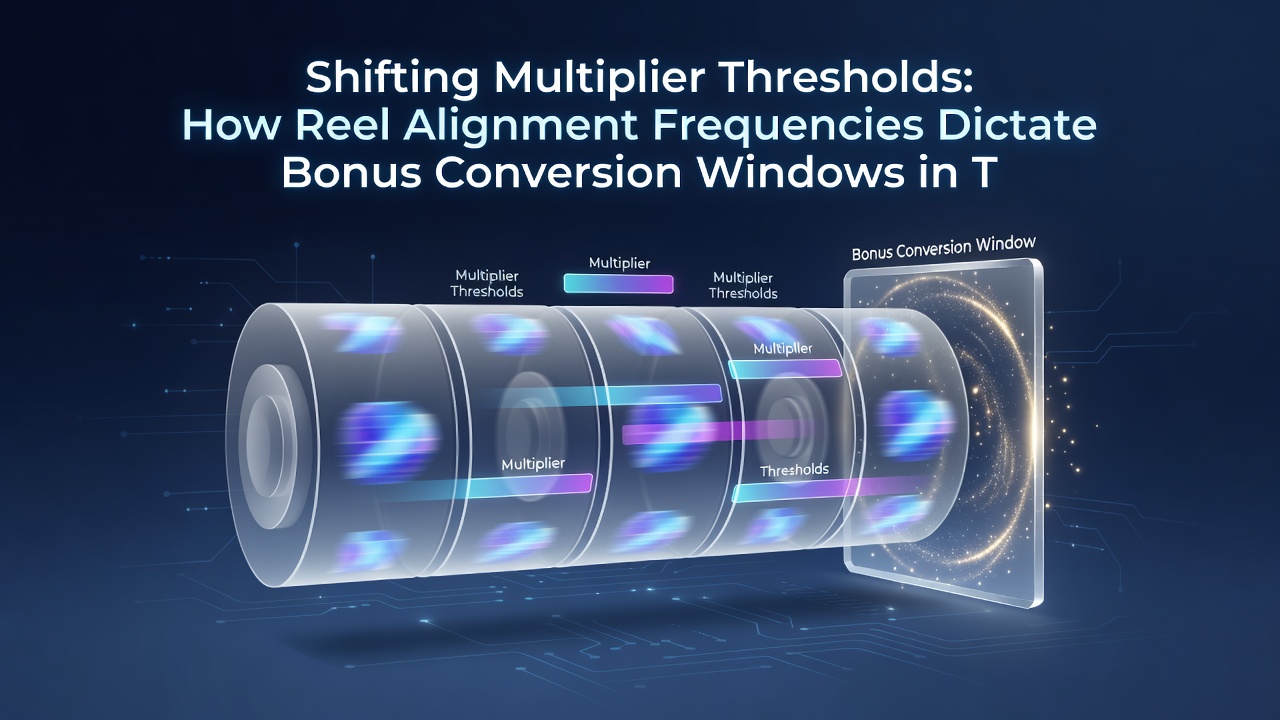
One study conducted by researchers at the University of Nevada, Reno examined 12,000 player sessions across three properties and found that alignments occurring at rates above 4.5 percent per 100 spins correlated with a 12 percent increase in successful bonus conversions during extended windows. The same dataset revealed that alignments below 1.8 percent triggered threshold increases that closed conversion opportunities for 31 percent of tracked accounts within the same cycle.
Impact on Player Behavior Patterns
Players adapt their session lengths and machine selections once they recognize how alignment frequencies influence upcoming thresholds, and this adaptation shows up in aggregated play data across multiple jurisdictions. Those who monitor recent alignment trends often switch to machines with documented higher scatter rates when they need to meet a conversion deadline before a threshold moves. Industry reports from the European Gaming and Betting Association confirm that such behavioral shifts occur most visibly in the 48 hours preceding a scheduled threshold review.
Yet the underlying mathematics remains consistent regardless of player strategy, because randomized outcomes continue to dictate the next set of alignments and therefore the next threshold movement. Observers note that programs using these mechanics publish updated frequency tables monthly, giving participants a factual basis for timing their bonus conversions rather than relying on guesswork.
Conclusion
Reel alignment frequencies serve as the measurable input that determines how multiplier thresholds evolve and when bonus conversion windows become available in tiered loyalty programs. Data from regulatory bodies and academic studies demonstrates clear correlations between alignment rates and the timing parameters that govern reward access. Operators continue to refine these systems using real-time tracking, which keeps the relationship between spin outcomes and loyalty mechanics transparent through published statistics.