Layered Loyalty Tiers Redefine Bonus Activation Windows Across Multi-Platform Casino Networks
Written by Quinn Walter · Aug 11, 2026
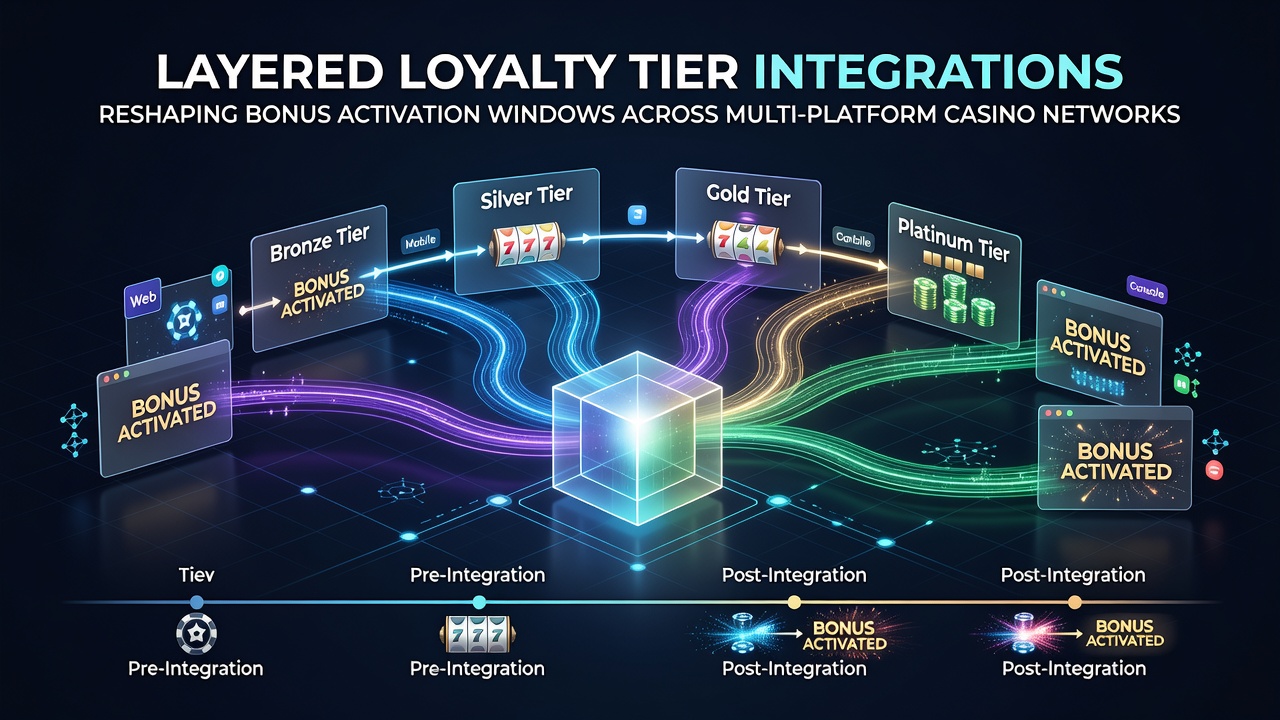
Layered Loyalty Tiers Redefine Bonus Activation Windows Across Multi-Platform Casino Networks
Operators across interconnected gaming platforms have started merging loyalty tier structures so that player status levels directly influence when and how bonus offers become active, creating synchronized activation schedules that span multiple sites and apps under unified networks. Data from industry reports shows these integrations adjust activation windows based on tier progression, with higher ranks often gaining immediate or accelerated access while entry-level participants encounter staggered delays that extend over several days or weeks.
Mechanics Behind Tier-Based Activation Adjustments
Network operators link player accounts through centralized loyalty databases, which track activity across all affiliated platforms and recalculate tier status in real time using cumulative play metrics such as wager volume and session frequency. According to figures released by the American Gaming Association, these systems trigger bonus activation at tier-specific intervals, where platinum or diamond members receive same-day eligibility whereas bronze participants must wait through a mandatory holding period that can stretch up to fourteen days after initial qualification. The process relies on automated scripts that pull data from each platform's backend and apply weighted multipliers tied to current tier rank, effectively shortening or lengthening the window before funds or free spins become usable.
Cross-Platform Data Synchronization
Developers have embedded APIs that push loyalty updates between separate casino environments, ensuring a single tier level applies uniformly no matter which site or mobile app a player accesses next. Research from academic papers on digital gaming systems indicates that synchronization occurs every few hours during peak periods, with full reconciliations running overnight to prevent discrepancies that might otherwise allow premature bonus claims. This setup reduces duplicate activations and enforces consistent timing rules, although occasional lag during high-traffic events like major sporting tournaments can push windows by several additional hours.
Examples of Activation Window Shifts in Practice
One multi-platform operator group implemented tier multipliers that cut standard seven-day bonus windows to forty-eight hours for elite members while extending the same offers to forty-five days for base-level accounts, a change rolled out gradually throughout spring and summer periods. Observers note similar patterns in networks spanning North American and European servers, where seasonal data from 2025 showed higher-tier players converting bonuses at rates nearly double those of lower ranks due to the compressed timelines. In August 2026, several networks plan further refinements that tie activation speed to additional factors such as deposit frequency within each tier bracket, creating even more granular control over when offers go live.
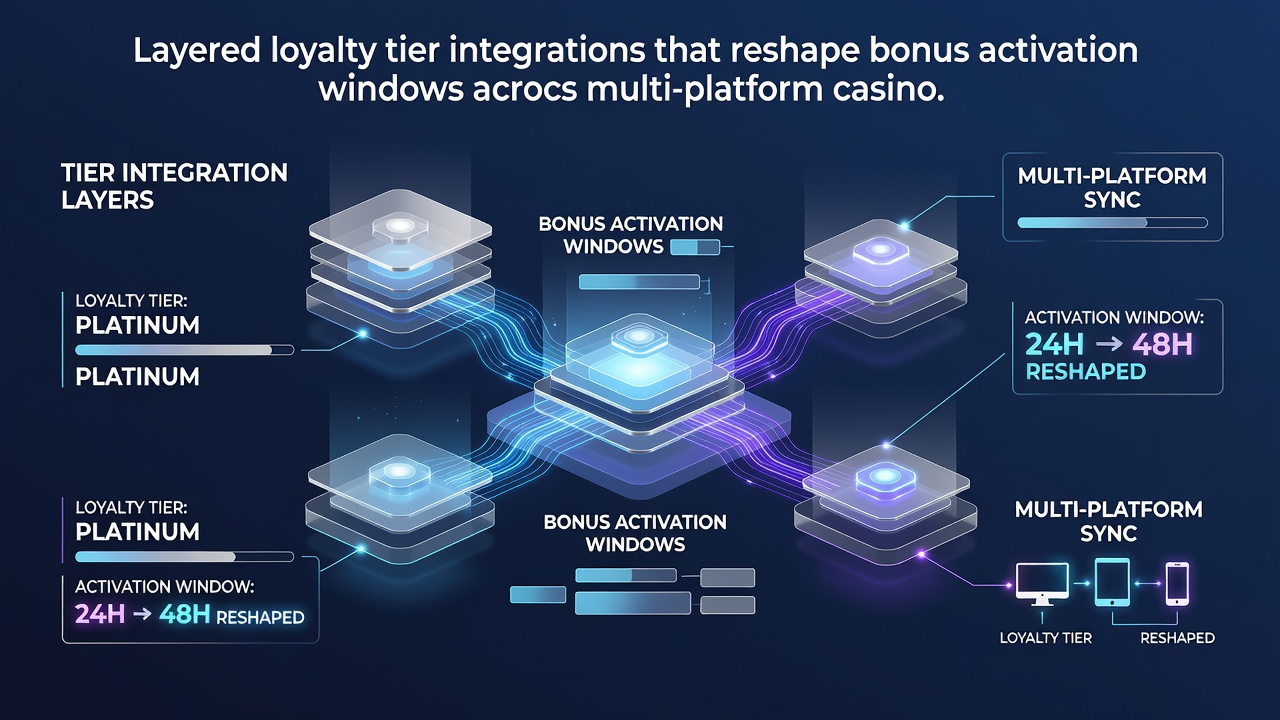
Players advancing through tiers often discover that each upgrade shortens the activation window by fixed increments, typically twenty-four to seventy-two hours per level, which compounds across long-term participation. Those who maintain consistent activity across multiple platforms within the network accumulate tier points faster, unlocking the tighter windows without needing separate qualification on each site. This layered approach has appeared in reports from regulatory bodies in jurisdictions outside the UK, including updates from Australian state gaming authorities that track similar loyalty mechanics in licensed online environments.
Technical Implementation and Network Architecture
Backend teams deploy modular loyalty engines that interface with existing bonus management software, allowing operators to adjust window parameters through dashboard controls rather than code changes. A study published by university researchers on networked gaming infrastructure found that these engines use rule-based algorithms to calculate activation dates, factoring in variables like current tier, recent deposit patterns, and overall network load. The result appears in player dashboards as countdown timers that update dynamically once tier status refreshes, providing clear visibility into remaining wait periods without requiring manual checks across platforms.
Security layers prevent manipulation by cross-verifying activation requests against the central tier database before releasing bonus elements, a measure that has lowered instances of timing exploits according to aggregated industry statistics. Networks that adopted these integrations early reported smoother operations during promotional surges, with fewer support tickets related to delayed or premature activations.
Conclusion
Layered loyalty integrations continue to evolve as operators refine how tier levels dictate bonus timing across connected platforms, supported by ongoing data collection and system updates scheduled into 2026. The approach delivers measurable consistency in activation windows while accommodating the operational scale of multi-site networks.